US Casino Floor Layout Psychology: The Invisible Architecture of Slot Attraction
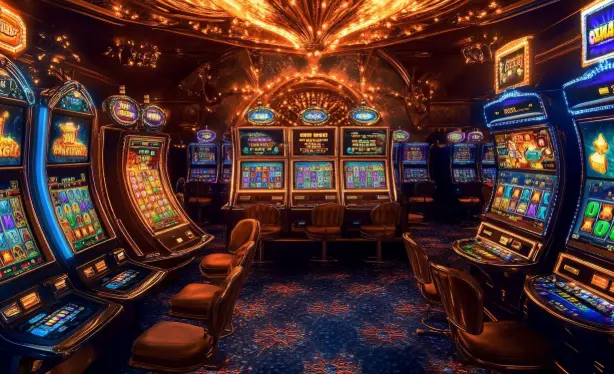
Slot machines do not attract players by accident—they are engineered into the floor plan through a ruthless application of casino floor layout psychology that most gamblers never consciously register. Walk into any major US gambling hall and you are already inside a controlled experiment. The carpet patterns, the ceiling height, the sightlines, the aisle widths—every inch is calibrated to slow your walking speed and pull your eyeballs toward spinning reels. This is not hospitality. This is behavioral architecture, and the slot floor is its most profitable laboratory. 🎰
The Maze Effect and Involuntary Pathing
Casino floors are deliberately designed as labyrinthine spaces with no straight sightline to the exit and no natural navigation anchors. This is the maze effect, and it is brutally effective. When a player cannot see a clear path out, decision fatigue sets in, and the path of least resistance becomes the nearest glowing bank of machines. Slot banks are positioned at every decision point—corners, corridor turns, and elevator lobbies—so that the moment a guest pauses to orient themselves, a slot machine placement strategy converts that pause into a pull of the lever. Industry insiders call these choke points. I call them toll booths on human attention.
Lighting, Sound, and Sensory Overload as Bait
Slot areas run brighter and louder than table game pits on purpose. The elevated ambient noise, the chime clusters, the flashing jackpot signage—these are not decorative. They create a low-grade sensory saturation that narrows a player's cognitive field and makes the nearest stimulus the most compelling one. Slot machines emit sound at frequencies that cut through background noise, and the lighting is tuned to make reels pop against darker carpet. The result is that your peripheral vision keeps catching motion, and your brain keeps tagging those machines as opportunities. The psychology here is predatory precision, not ambiance.
The Near-Miss Geometry and Visual Gravity
Slot machine reel placement, button height, and screen tilt are all engineered around human ergonomics and visual gravity. Screens sit slightly below eye level to encourage a downward gaze and a seated posture. Buttons rest at a natural hand position that minimizes the physical friction of repeated play. More insidiously, the visual geometry of near-miss outcomes—two symbols aligning just off the payline—is amplified by the machine's display proportions and animation timing. This is where slot machine psychology intersects with hardware engineering, and it is the reason players stay seated far longer than they intended when they first approached the bank.

Anchor Machines and the High-Denomination Trap
Every slot bank has anchor machines—higher-denomination units placed at the entrance to a cluster to establish a price reference. The brain anchors to the highest visible bet, making the adjacent lower-denomination machines feel conservative by comparison. This is a classic cognitive bias exploit, and floor designers deploy it with surgical precision. The anchor machine rarely generates the most revenue per square foot, but it drags traffic into the cluster and resets the player's internal price gauge. Once that gauge is reset, the entire bank becomes more attractive.
Cash Access and the Frictionless Loop
The final layer of the trap is access to cash. ATMs, ticket redemption kiosks, and cashier cages are positioned at the perimeter of slot clusters, never inside them. This forces players to walk past dozens of machines to reload, and every walk is another exposure to the visual and auditory pull of the floor. The friction is intentional—it creates a loop where the player re-enters the slot zone after every cash-out, and each re-entry resets the decision to keep playing. Floor layout psychology is not about trapping people in one spot; it is about making the exit route pass through more temptation than any reasonable person can resist. 💸