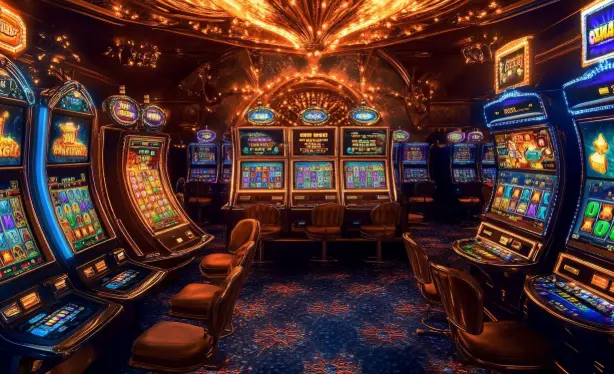
US Casino Floor Layout Psychology: The Engineered Trap
Every square foot of a US casino floor is a calculated psychological weapon, and the slot machine is its sharpest blade. Walk through any major Las Vegas property and you will not find a single design decision left to chance. The carpet patterns, the ceiling height, the ambient noise curve, the sightlines — all of it is engineered to do one thing: pull you into the slot zone and keep your hand on the button. 🎰
The core mechanism is what floor designers call the "grazing corridor." Slots are never tucked into quiet corners. They are placed along the natural walking paths between the entrance, the cage, the restrooms, and the table games. You cannot reach your destination without passing through a gauntlet of flashing reels. This is not hospitality. This is casino floor layout psychology operating at industrial scale.
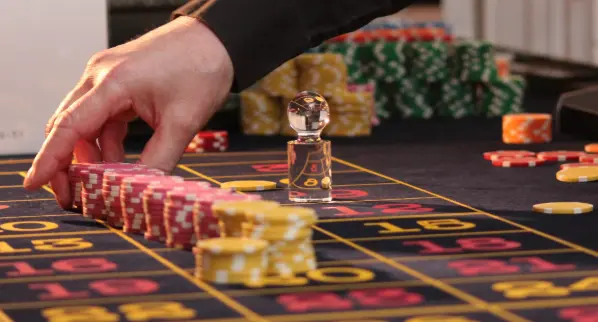
The Sightline Chokehold and Machine Density Math
Here is the brutal truth most players never grasp: slot placement follows a density formula that maximizes visual capture per linear foot of traffic. Machines sit at roughly 30 to 36 inches apart, angled in low banks so the screens face the aisle at eye level. When you walk past, your peripheral vision registers dozens of spinning symbols simultaneously. The human brain cannot filter that volume of motion — it locks on. The floor is a visual funnel, and you are the liquid being poured through it.
Casinos also manipulate ceiling height and lighting temperature in slot zones. Lower ceilings and warmer light create a cocoon effect that slows your walking pace. Slower pace means longer dwell time. Longer dwell time means more spins. The slot zone is deliberately insulated from the bright, high-ceilinged table game areas that signal high-stakes excitement. That contrast is not an accident — it is a zoning strategy borrowed from retail psychology and weaponized for coin-in.

The Near-Miss Architecture Inside the Reel
The floor gets you to the machine, but the algorithm keeps you there. Modern slot software is tuned to deliver near-miss outcomes at a rate far above statistical chance. A near-miss — two jackpot symbols landing with the third just above or below the payline — triggers the same dopamine response as a win in the brain's reward circuitry. Players perceive it as "almost," and "almost" is the most profitable word in the gaming lexicon. 😤
This is where how slots attract players becomes a study in behavioral conditioning rather than entertainment. Variable ratio reinforcement — the same schedule that makes gambling addictive — is baked into the RNG's outcome distribution. The machine does not need to pay you to keep you seated. It only needs to make you believe the next spin is the one.
Cognitive Load and the Illusion of Control
Slot designers load the interface with control artifacts: stop buttons, skill-stop features, "choose your volatility" settings. None of these change the underlying math in any meaningful way, but they create what researchers call an illusion of control. The player feels agency. Agency breeds persistence. Persistence bleeds bankroll.
The floor layout reinforces this by isolating the player in a semi-private pod — a padded stool, a personal screen, a drink rail. Social accountability evaporates. You are not at a table with seven other players watching your decisions. You are alone with a machine that never judges and never stops offering another spin. That isolation is a feature, not a bug. The most profitable slot banks on any US casino floor are the ones where players sit longest without looking up — and the layout math guarantees they will.