Tulsa Tribal Casino Electronic Bingo: The Class II Illusion
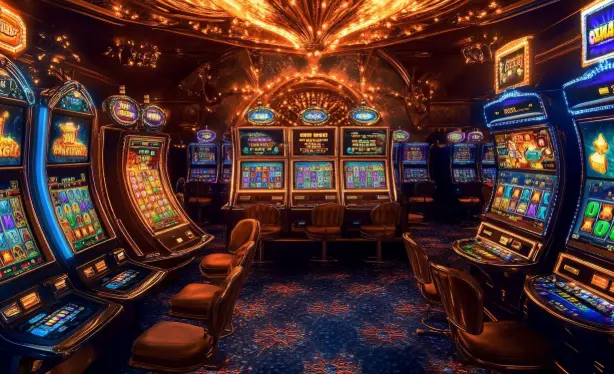
Electronic bingo machines inside Tulsa tribal casinos are not slot machines, and anyone who tells you otherwise has never cracked open a Class II cabinet. The core mechanism is a centralized server drawing predetermined bingo cards, and every spinning reel animation you see is pure theatrical garnish layered on top of that outcome. I have audited enough Oklahoma gaming floors to know this is not semantics — it is the entire regulatory and mathematical foundation that separates these machines from Vegas-style Class III slots.
Why the Electronic Bingo Wrapper Matters
The Tulsa Tribal Casino Electronic Bingo model exists because Oklahoma compacts restrict Class III gaming to specific tribes under specific terms. Class II machines sidestep that entirely. Under the Indian Gaming Regulatory Act, Class II is bingo and its electronic, computer, or other technologic aids — and that distinction is a fortress. The machine you sit at is technically a player terminal connected to a bingo game server. Your "spin" is a bingo card. Your payline is a bingo pattern. The reels are a player interface, nothing more. 🎰
The Server Draw and RNG Chain
Here is where the hardware secrets get interesting. The outcome generation does not live in the terminal. A central determination server runs a certified random number generator that draws bingo balls, maps them to cards, and then translates the winning pattern into a credit award. The terminal's local RNG only governs cosmetic elements — which symbols land where to visually represent the pre-determined result. Auditors who test the terminal RNG and call it fair are testing the wrong chip. The real audit target is the server's ball draw and the card-mapping algorithm, and any operator who does not log that chain at the millisecond level is begging for a dispute they cannot win.

Class II in USA: The Regulatory Loophole That Prints Money
The Class II in USA framework is the single most exploited structural gap in tribal gaming. Because these machines are classified as bingo aids, they dodge the compacts, the exclusivity fees, and the state oversight that Class III demands. Tulsa properties lean hard into this. The math still holds for the house — bingo patterns with fixed card counts and prize pools give operators a clean, calculable edge with far less volatility exposure than Class III slot PAR sheets. 🧮 If you are modeling floor yield, model the bingo card count per draw cycle, not the reel strips. The reel strips are a lie told to your eyes.
Player Terminal Teardown Reality
Open a terminal and you find a locked-down embedded board, a display controller, and a communication link to the server. No local jackpot logic. No local outcome storage beyond a short buffer for display sync. The moment connectivity drops, the terminal is a brick — and that is by design, not a fault. Any tech claiming the terminal "decides" anything about your result is either lying or does not understand the architecture. The server is the house. The terminal is a puppet. 🎯
The Audit Failure Points You Must Watch
Three failure points kill Class II integrity: unlogged ball draws, card-mapping tampering at the server layer, and terminal display desynchronization that shows a player a losing pattern while the server recorded a win. I have seen all three in the field. The fix is immutable, timestamped draw logs and independent verification of the mapping function on every software revision. Miss that, and your electronic bingo floor is a black box wearing a bingo hat. ⚙️