The Dawn of Casino Virtual Reality Lounges: A New Era in Immersive Gaming
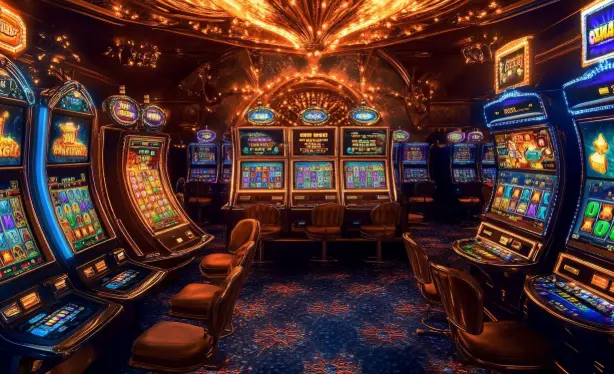
🎰 The landscape of digital gambling has undergone a seismic transformation with the emergence of Casino Virtual Reality Lounges. These cutting-edge environments leverage high-fidelity VR headsets, spatial audio, and haptic feedback suits to transport players into photorealistic casino floors without leaving their homes. Unlike traditional online platforms, VR lounges replicate the social dynamics of a physical casino—complete with avatars, real-time dealer interactions, and ambient crowd noise—creating a level of immersion previously unimaginable in remote betting.
Core Technological Infrastructure Behind VR Casino Lounges
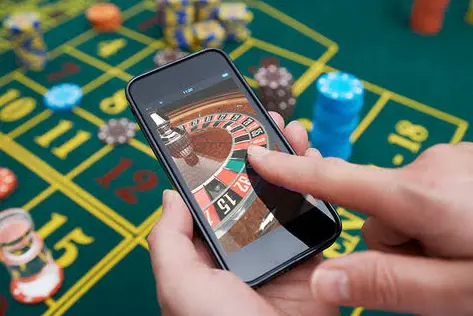
🔧 At the heart of any reputable Casino Virtual Reality Lounge lies a sophisticated stack of technologies. Latency-free streaming is achieved through edge computing nodes positioned within 50 milliseconds of the user. Motion-to-photon latency must remain under 20ms to prevent simulator sickness, a critical metric for player retention. Furthermore, blockchain-based provably fair algorithms ensure that every card shuffle, roulette spin, or dice roll is cryptographically verifiable. Operators also integrate biometric liveness detection to comply with KYC and anti-money laundering regulations across multiple jurisdictions.
Game Variants Optimized for Virtual Reality Environments
♠️ Not all casino games translate seamlessly into VR. Blackjack, poker, and roulette benefit enormously from physical gestures—chip stacking, card squeezing, and wheel peering. Developers have created proprietary gesture recognition libraries that map hand movements to in-game actions with sub-millimeter precision. Slot machines in VR lounges often feature three-dimensional reels that players can physically pull, while live baccarat tables stream real dealers from studios in Malta or New Jersey. Each game variant undergoes rigorous RTP (Return to Player) certification by independent testing labs such as eCOGRA or GLI.

Social Interaction and Community Building in VR Casinos
🗣️ A defining feature of these lounges is spatial voice chat with directional audio. Players can lean in to hear a dealer's whisper or celebrate a jackpot with nearby avatars. Many platforms host tournaments with leaderboards, VIP rooms, and virtual cocktail bars where users tip dealers using cryptocurrency. This social layer dramatically increases session duration—industry data suggests VR players stay engaged 2.7 times longer than those on flat-screen interfaces. Reputation systems, avatar customization, and seasonal events further cement user loyalty.
Regulatory Compliance and Responsible Gambling Tools in VR
⚖️ Operators must navigate a complex web of regulations. In the United Kingdom, the Gambling Commission requires VR lounges to implement reality checks, session time limits, and self-exclusion APIs. Geolocation fencing prevents access from prohibited territories. Additionally, VR platforms now deploy AI-driven behavioral analytics to detect problem gambling patterns—such as chasing losses or rapid bet escalation—and trigger mandatory cool-off periods. Transparency reports and independent audits are published quarterly to maintain trust.
Future Trajectories: AI Dealers, Neural Interfaces, and Cross-Reality Play
🚀 The next frontier involves generative AI dealers capable of natural language processing and emotional intelligence, offering personalized banter and strategy tips. Neural interface prototypes from research labs promise thought-controlled betting within a decade. Meanwhile, cross-reality play will allow VR users to compete against augmented reality players in the same tournament. Hardware advances—such as varifocal lenses and full-body haptic gloves—will erode the remaining sensory gap between virtual and brick-and-mortar casinos. Early adopters who master these lounges today will possess a decisive edge in the evolving igaming ecosystem.